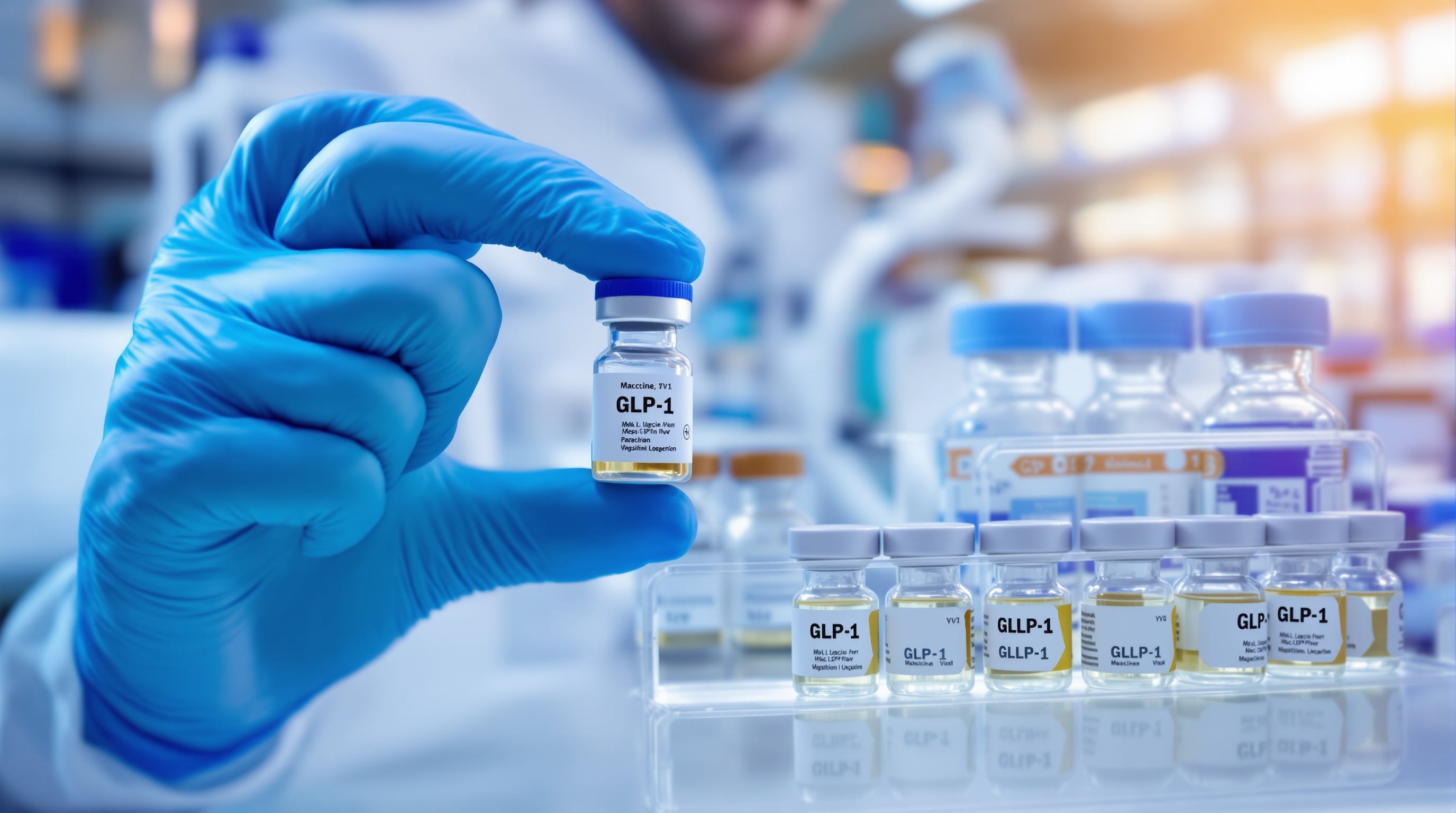
The medications known as GLP-1 agonists—including household names like Ozempic, Wegovy, and Mounjaro—are rapidly evolving from weight-loss drugs into potential treatments for a remarkably diverse range of health conditions. Medical researchers are discovering that these medications, which mimic a naturally occurring hormone, have far-reaching effects throughout the body that extend well beyond appetite suppression and blood sugar control.
Identified as the top health trend for 2026 by medical analysts, GLP-1 drugs are now being studied or prescribed for heart disease, kidney disease, arthritis, fertility issues, and even addiction—a dramatic expansion from their original FDA approvals for diabetes and obesity. The implications could reshape treatment protocols across multiple medical specialties and potentially help millions of patients with chronic conditions.
🔑 Key Highlights
- GLP-1 medications are showing effectiveness for heart health, kidney disease, arthritis, and addiction treatment
- New research confirms weight loss from GLP-1 drugs is primarily from fat, not muscle loss
- FDA approved first oral GLP-1 medication (Foundayo) for weight loss in 2026
- About 10% of people may not respond to GLP-1 drugs due to genetic variants
- Natural GLP-1 discovered in joint fluid, opening new arthritis treatment possibilities
From Weight Loss Wonder to Multi-Purpose Medicine
GLP-1 (glucagon-like peptide-1) is a hormone naturally produced in the intestine that helps regulate blood sugar, slow digestion, and signal feelings of fullness to the brain. When pharmaceutical companies created synthetic versions that last longer in the body, they initially targeted type 2 diabetes. The significant weight loss observed in patients was initially considered a beneficial side effect—but it's the mounting evidence of broader health impacts that has medical professionals increasingly excited.
"What we're seeing with GLP-1 agonists is unprecedented," explains Dr. Jennifer Whitmore, an endocrinologist at Johns Hopkins Medicine. "These drugs appear to have systemic anti-inflammatory and metabolic effects that go far beyond what we initially understood. We're discovering new potential applications almost monthly."
Cardiovascular Benefits: Protecting the Heart
Perhaps the most significant expansion of GLP-1 applications involves cardiovascular health. Multiple large-scale studies have demonstrated that patients taking these medications experience reduced risk of heart attacks, strokes, and cardiovascular death—even independent of weight loss.
The cardiovascular protection appears to stem from several mechanisms: reduction in inflammation, improved blood vessel function, lower blood pressure, and beneficial effects on cholesterol levels. For patients with established heart disease, some cardiologists are now prescribing GLP-1 medications as part of comprehensive cardiac care, regardless of whether weight loss is needed.
"We're seeing heart disease risk reduction that rivals or exceeds what we achieve with traditional cardiac medications in some patient populations. This is transforming how we think about cardiovascular prevention." - Dr. Robert Chen, Cardiology, Cleveland Clinic
Kidney Disease: Slowing Decline
Chronic kidney disease affects millions of Americans, often progressing silently until kidney function is severely compromised. Recent research indicates GLP-1 medications may slow this progression, potentially delaying or preventing the need for dialysis in some patients.
Studies published in early 2026 showed significant reductions in kidney function decline among diabetes patients taking GLP-1 drugs compared to those on standard treatments. The mechanisms appear to involve reduced inflammation in kidney tissues and improved blood flow to the kidneys, along with better control of contributing factors like high blood pressure and blood sugar.
Arthritis: Natural GLP-1 in Joint Fluid
In a surprising discovery, researchers found that natural GLP-1 is present in joint fluid, suggesting an evolutionary role in joint health that scientists hadn't previously recognized. This finding has opened entirely new avenues for arthritis treatment.
Early clinical observations suggest patients taking GLP-1 medications for other conditions often report unexpected improvements in joint pain and mobility. Researchers are now investigating whether these drugs could become a new class of arthritis treatment, potentially offering relief for the estimated 50 million Americans with osteoarthritis or rheumatoid arthritis.
Addiction Treatment: Breaking Compulsive Behaviors
One of the most intriguing potential applications involves addiction and substance use disorders. GLP-1 receptors are abundant in brain regions associated with reward and motivation, leading researchers to investigate whether these medications could help treat alcohol use disorder, opioid addiction, and other compulsive behaviors.
Preliminary studies and anecdotal reports from patients have shown promising results. Some individuals taking GLP-1 medications have reported dramatically reduced cravings for alcohol, cigarettes, or even compulsive shopping. Clinical trials are now underway to rigorously test these effects, with results expected later in 2026.
"If the early signals hold up in formal trials, we could be looking at a paradigm shift in addiction medicine," notes Dr. Amanda Foster, addiction specialist at UCSF. "The ability to modulate reward pathways and reduce cravings through a medication that's already FDA-approved for other uses could help millions of people struggling with various addictions."
Addressing Concerns: Muscle Loss, Genetics, and Long-Term Use
As GLP-1 medications have gained popularity, concerns have emerged about potential downsides, particularly muscle loss during rapid weight reduction. However, new evidence released in early 2026 has been reassuring.
Muscle Preservation
Research published in March 2026 using advanced body composition scanning confirmed that the majority of weight loss from GLP-1 medications comes from fat tissue, not muscle mass. While some lean tissue is lost—as occurs with any significant weight loss—the proportion is similar to or better than traditional diet-based weight loss methods.
Experts emphasize that combining GLP-1 medications with resistance training and adequate protein intake can help preserve muscle mass during weight loss, making these drugs most effective as part of a comprehensive health program rather than a standalone solution.
Genetic Variability
Not everyone responds equally to GLP-1 medications. New research identified specific genetic variants that may reduce effectiveness in approximately 10% of the population. These individuals may experience minimal weight loss or side effects that outweigh benefits.
"Understanding genetic factors helps us set realistic expectations and may eventually allow us to identify who will benefit most before starting treatment," explains Dr. Whitmore. "We're moving toward more personalized approaches to prescribing these medications."
Maintaining Results After Stopping
A common question is what happens when patients stop taking GLP-1 medications. While weight regain is possible—as with any weight loss method—researchers have developed a minimally invasive "gut reset" procedure that may help people maintain weight loss after discontinuing GLP-1 drugs. This technique, still in early trials, involves a brief endoscopic procedure that appears to help reset metabolic signals in the digestive system.
New Formulations: Oral Options and Enhanced Effectiveness
The FDA's approval of Foundayo, the first oral GLP-1 medication for weight loss, represents a significant advancement. Previously, all GLP-1 drugs required injection, which some patients found inconvenient or intimidating. Oral formulations could expand access and adherence to treatment.
Additionally, researchers have identified an enzyme that could make GLP-1 drugs last longer in the body and work more effectively. This could lead to next-generation medications requiring less frequent dosing while delivering better results.
The Economic and Social Impact
The expanding applications of GLP-1 medications raise important questions about healthcare costs and access. These drugs are expensive—often $800-$1,500 per month without insurance—and demand has occasionally outstripped supply.
However, if these medications prove effective at preventing or treating multiple chronic conditions, the long-term healthcare cost savings could be substantial. Heart attacks, kidney failure, and chronic disease management are far more expensive than medication costs. Health economists are working to quantify the potential savings as clinical evidence accumulates.
Insurance coverage is also evolving. More insurers are covering GLP-1 medications for approved indications, and as the evidence base for additional uses grows, coverage policies may expand accordingly.
Looking Ahead: Clinical Trials and Future Applications
Dozens of clinical trials are currently investigating GLP-1 medications for conditions ranging from Alzheimer's disease to fatty liver disease to polycystic ovary syndrome (PCOS). The next 12-24 months will likely bring significant new data that could further expand approved uses or lead to formal recommendations in clinical guidelines.
Researchers are also exploring whether certain patient populations might benefit from GLP-1 therapy even without obesity or diabetes—for example, patients at high cardiovascular risk or those with inflammatory conditions.
"We're still in the early chapters of understanding what GLP-1 therapies can do," concludes Dr. Chen. "Five years from now, we may look back at 2026 as the beginning of a major shift in how we approach chronic disease management—moving from treating individual conditions in isolation to addressing underlying metabolic and inflammatory processes that contribute to multiple diseases simultaneously."
As research continues, one thing is clear: the story of GLP-1 medications extends far beyond weight loss, with implications that could reshape medicine for millions of patients in the years ahead.
