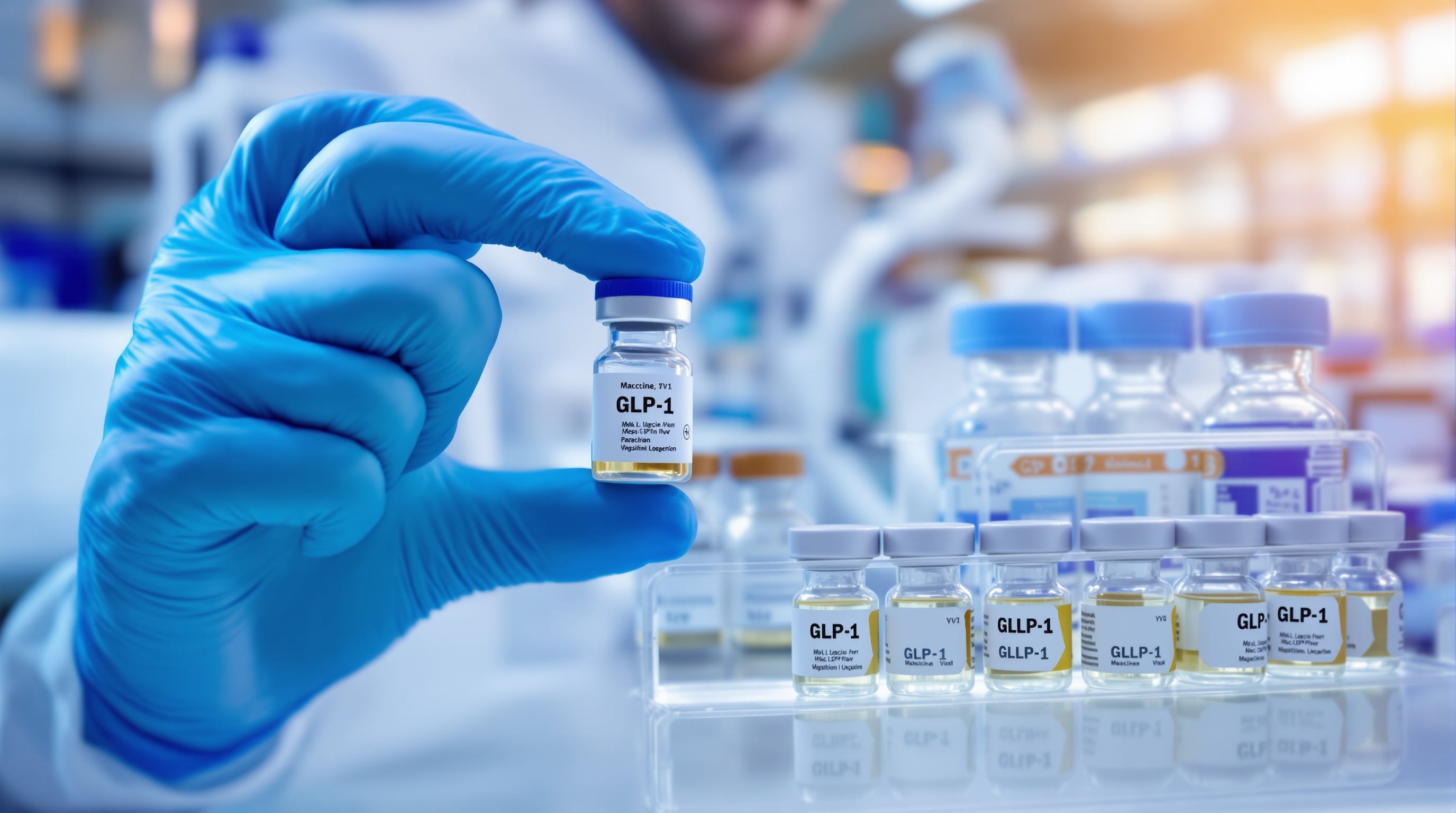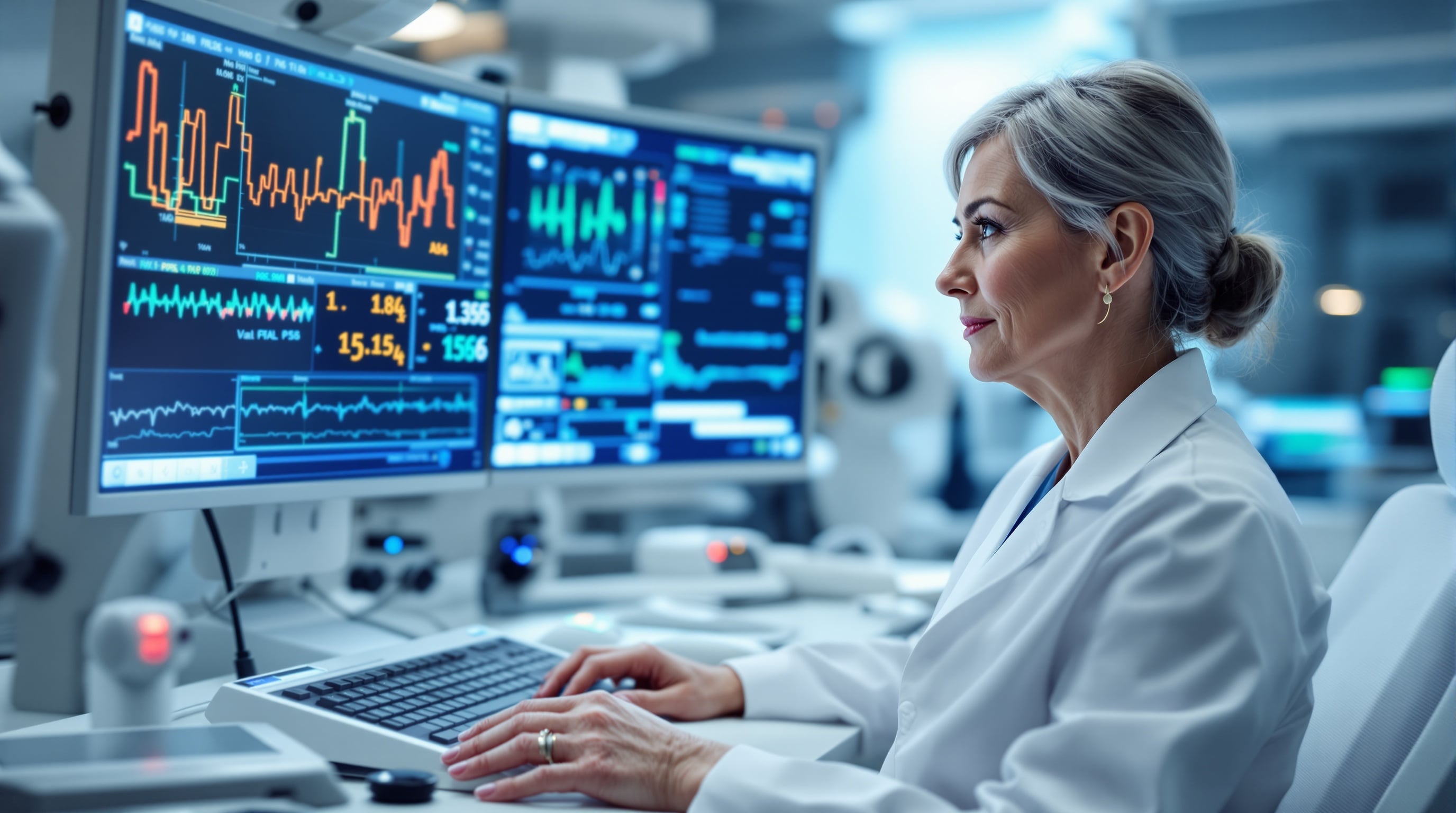
For years, the longevity and anti-aging industry has been overwhelmingly focused on men—from biohacking protocols developed by male tech entrepreneurs to clinical trials with predominantly male participants. But in 2026, that paradigm is shifting dramatically as researchers recognize that women age differently, face unique health challenges, and require specialized interventions to extend not just lifespan, but "healthspan"—the years spent in vibrant, disease-free health.
This transformation is being driven by groundbreaking research revealing that ovarian function plays a far more central role in systemic aging than previously understood. As a result, longevity clinics, wellness resorts, telehealth platforms, and wearable technology companies are all racing to develop women-specific solutions that address health at every life stage, from reproductive years through post-menopause and beyond.
🔑 Key Highlights
- Longevity research pivoting from male-dominated to women's healthspan focus
- Ovarian aging identified as critical factor in women's systemic aging process
- New longevity residences integrating preventive medicine into home environments
- FDA removes black box warning from hormone replacement therapy (HRT)
- Women's sports boom contributing to strength and longevity emphasis
The Ovarian Aging Discovery: A Paradigm Shift
The catalyst for this revolution is emerging research demonstrating that women age fundamentally differently than men, with ovarian function serving as a master regulator of systemic aging. Unlike gradual hormonal decline in men, women experience an abrupt transition during menopause that affects virtually every organ system—cardiovascular health, bone density, cognitive function, metabolic regulation, and immune response.
"We've discovered that the ovaries aren't just reproductive organs—they're metabolic control centers that influence aging throughout the entire body," explains Dr. Maria Rodriguez, a reproductive endocrinologist at the Mayo Clinic. "When ovarian function declines, it triggers a cascade of aging-related changes that affect everything from brain health to muscle mass to cardiovascular risk."
This understanding is reshaping treatment approaches. Rather than simply managing menopause symptoms, clinicians are now developing interventions targeting ovarian aging itself, potentially extending the window of optimal health by years or even decades.
Longevity Residences: Health-Optimized Living Spaces
One of the most innovative developments in 2026 is the emergence of "longevity residences"—a new category of housing that integrates advanced health technology and preventive medicine directly into the home environment. These developments feature built-in diagnostic equipment, air and water purification systems, circadian lighting, and on-site wellness facilities.
Several developments specifically targeting women have opened or announced construction in 2026, offering amenities like:
- On-site hormone optimization clinics providing personalized bioidentical hormone therapy
- Advanced bone density monitoring integrated into bathroom scales and fitness equipment
- Nutrition programs specifically designed for menopausal metabolic changes
- Social connection spaces recognizing that community is critical for longevity
- AI-powered health tracking monitoring cardiovascular, cognitive, and metabolic markers
"We're making daily living an active participant in long-term health," says Jennifer Park, CEO of Vitality Living, a longevity residence developer. "Instead of visiting a clinic once or twice a year, residents receive continuous, personalized health optimization integrated seamlessly into their homes."
The HRT Breakthrough: FDA Removes Black Box Warning
In a landmark decision that shocked the medical community in November 2025, the FDA—in coordination with the Department of Health and Human Services—removed the black box warning from menopausal hormone replacement therapy (HRT). This reversal acknowledges decades of newer evidence showing that for women initiating HRT within 10 years of menopause onset, the benefits significantly outweigh risks.
The decision was based on comprehensive review of data from over 500,000 women showing that properly timed HRT provides:
- Dramatically improved quality of life and symptom relief
- Enhanced bone density reducing fracture risk by up to 40%
- Improved cardiometabolic markers including cholesterol and insulin sensitivity
- Reduced all-cause mortality by 20-30% in appropriate candidates
- Potential cognitive benefits and reduced dementia risk
"This is a watershed moment for women's health. For 20 years, women have been unnecessarily deprived of an intervention that could dramatically improve their healthspan based on outdated interpretations of flawed studies." - Dr. JoAnn Manson, Harvard Medical School
The FDA's decision has already led to increased HRT prescribing, with many women who previously avoided the therapy now reconsidering. Telehealth menopause clinics report 300% increases in consultations since the announcement.
Neurowellness and Nervous System Regulation
Another key component of the women's longevity movement is the recognition that women experience higher rates of chronic stress, anxiety, and nervous system dysregulation—factors that accelerate aging and contribute to chronic disease.
"Neurowellness" has emerged as a critical frontier, focusing on training the nervous system for resilience before pathology appears. This includes:
- Vagal tone optimization through breathwork and cold exposure protocols
- Trauma-informed somatic practices addressing stored stress in the body
- Heart rate variability (HRV) training to improve stress response
- Sensory design in homes and workplaces to reduce overstimulation
- Consumer neurotechnology like wearables that guide nervous system regulation
Women-focused wellness centers are incorporating these practices alongside traditional longevity interventions, recognizing that emotional and nervous system health are inseparable from physical longevity.
Strength Training: The Longevity Prescription
The explosion of women's sports—with record viewership, attendance, and participation in 2025-2026—is contributing to a cultural shift around women's fitness. Rather than focusing on appearance, the emphasis has shifted to capability, strength, and longevity.
Research has confirmed that muscle mass is one of the most important predictors of healthy aging in women. Sarcopenia (muscle loss) accelerates dramatically after menopause and is linked to:
- Insulin resistance and metabolic dysfunction
- Increased fall risk and bone fractures
- Reduced functional independence in later life
- Higher all-cause mortality
"We're seeing 60-year-old women deadlifting 200 pounds and loving it," notes fitness researcher Dr. Stacy Sims. "They're not training for aesthetics—they're training to maintain independence, bone density, and metabolic health into their 80s and 90s. This is genuinely revolutionary."
The Protein Priority
Alongside strength training, adequate protein intake has become a cornerstone of women's longevity protocols. Research shows that women—especially post-menopausal women—need significantly more protein than previously recommended to maintain muscle mass and metabolic health.
Current recommendations suggest 1.2-1.6 grams of protein per kilogram of body weight daily, substantially higher than the outdated 0.8 g/kg standard. High-quality protein sources, including both animal and plant-based options, are being emphasized in longevity-focused meal plans.
Personalized Diagnostics and Biomarker Tracking
Women-specific longevity programs are utilizing advanced diagnostic testing far beyond routine physicals:
- Advanced bloodwork measuring hormone panels, inflammation markers, insulin sensitivity, and metabolic function
- Biological age testing using epigenetic clocks to measure cellular aging
- Microbiome sequencing revealing gut health connections to immunity and metabolism
- Whole-body MRI screening detecting early disease before symptoms appear
- DEXA scans tracking bone density and body composition changes
- Cardiovascular imaging assessing arterial health and heart function
These diagnostics allow for highly personalized interventions based on individual biomarkers rather than one-size-fits-all approaches.
Sleep Optimization: The Foundation of Longevity
Sleep disturbances affect up to 60% of menopausal women, yet quality sleep is arguably the most important longevity intervention available. Poor sleep is linked to accelerated cognitive decline, metabolic disorders, cardiovascular disease, and immune dysfunction.
Women-focused longevity programs are emphasizing:
- Temperature regulation using cooling mattresses and sleepwear
- Light therapy optimizing circadian rhythms
- Sleep tracking wearables providing actionable feedback
- Cognitive behavioral therapy for insomnia (CBT-I) addressing root causes
- Targeted supplementation including magnesium, glycine, and herbal remedies
The Anti-Aging Skincare Evolution
The beauty industry is also transforming with the "skin longevity" movement replacing traditional "anti-aging" marketing. Rather than fighting aging, the focus is on optimizing skin health and function long-term through:
- Biotech-derived ingredients targeting cellular pathways
- Microbiome-supporting topicals for skin barrier health
- Personalized formulations based on genetic and environmental factors
- Integration with systemic health (recognizing skin reflects internal health)
Economic Impact and Accessibility
The women's longevity market is experiencing explosive growth, with estimates suggesting it will exceed $50 billion globally by 2028. This includes:
- Specialized longevity clinics and medical practices
- Women-focused wellness resorts and retreats
- Telehealth platforms for hormone optimization
- Wearable technology and health tracking devices
- Supplements and functional foods
- Longevity-focused residential developments
However, accessibility remains a concern. Many advanced interventions are expensive and not covered by insurance. Advocates are pushing for policy changes recognizing preventive longevity medicine as essential healthcare rather than luxury wellness.
"If we can prevent chronic diseases through relatively low-cost interventions like HRT, exercise programs, and sleep optimization, the healthcare savings would be enormous," argues health economist Dr. Patricia Chen. "Treating heart disease, osteoporosis, and dementia costs far more than preventing them."
Looking Ahead: The Future of Women's Healthspan
As research continues to uncover the mechanisms of sex-specific aging, expect to see:
- Ovarian rejuvenation therapies extending fertility and hormone production windows
- AI-powered health coaches providing real-time personalized guidance
- Gene therapies targeting age-related vulnerabilities specific to women
- Longevity drugs tested specifically in female populations
- Community-based wellness programs recognizing social connection as medicine
"We're just beginning to understand what's possible when we take women's health seriously across the entire lifespan, not just during reproductive years," concludes Dr. Rodriguez. "The next decade will bring transformative changes in how women age—and how well they age."
For the millions of women entering or navigating midlife and beyond, 2026 marks a turning point. The longevity revolution is finally centering their unique needs, offering science-backed interventions that could add years—even decades—of vibrant health to their lives.