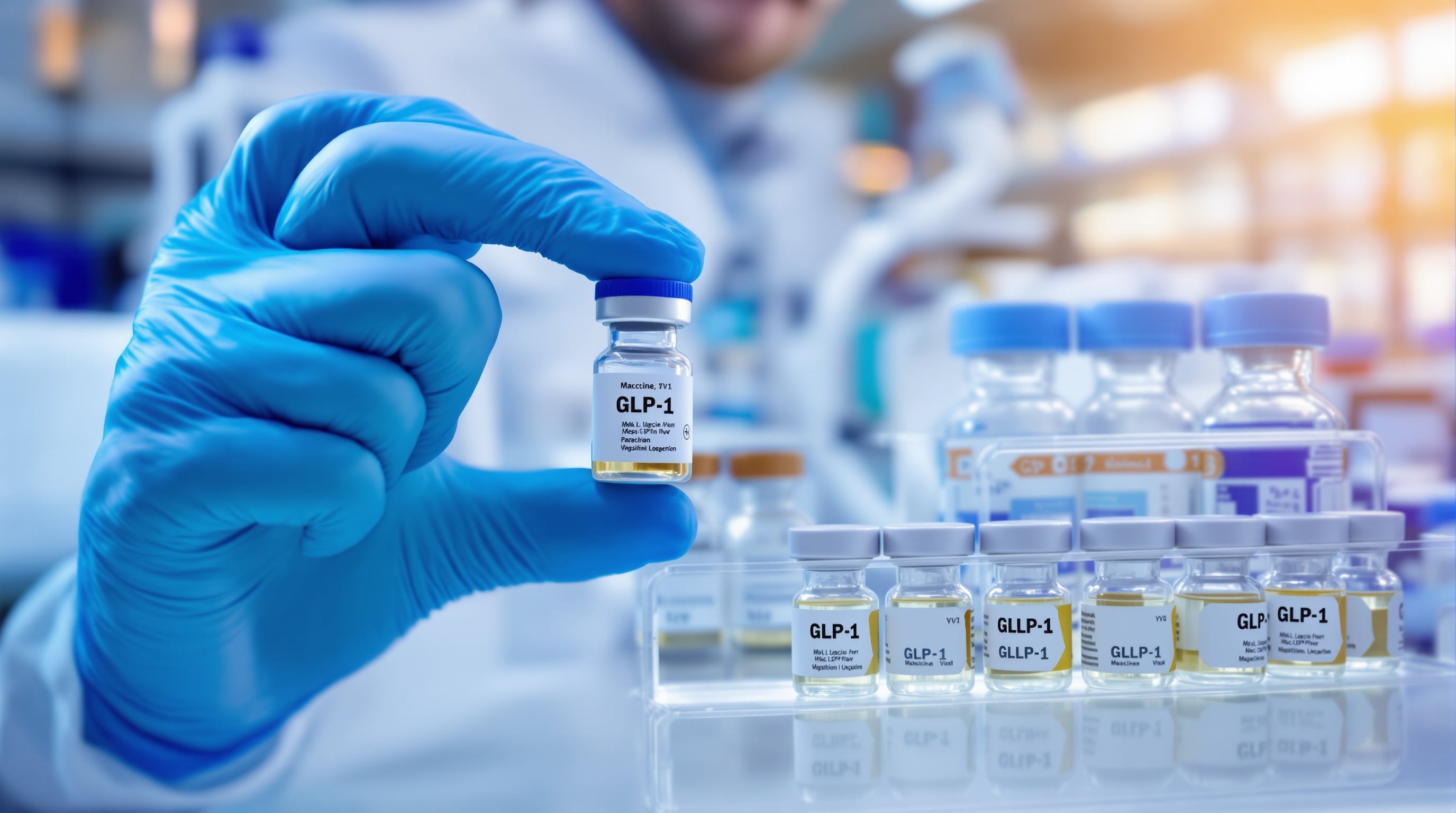
The anti-aging market generated over $85 billion in 2025 and is projected to reach nearly $120 billion by 2030. But this isn't your grandmother's anti-aging industry of face creams and supplements. Today's longevity sector is dominated by serious science—biotech companies developing drugs that target aging mechanisms at the cellular level, backed by billions in venture capital and led by Nobel laureates and Silicon Valley billionaires.
From rapamycin showing unprecedented lifespan extension in animal studies, to GLP-1 drugs being recognized as first-in-class gerotherapeutics, to epigenetic reprogramming that can reverse cellular age, the field has shifted from managing the symptoms of aging to addressing its root causes. Clinical trials are underway, early results are promising, and the first true anti-aging medications could reach the market within 3-5 years.
🔑 Key Highlights
- Anti-aging market growing from $85B (2025) to $120B (2030), driven by science not cosmetics
- Rapamycin showing 15-20% lifespan extension in mammals; human trials showing safety and benefits
- GLP-1 drugs recognized as first-in-class gerotherapeutics with broad anti-aging effects
- Epigenetic reprogramming therapies entering human trials in 2026
- Senolytics clearing zombie cells linked to inflammation and disease
The Paradigm Shift: From Symptoms to Systems
For decades, "anti-aging" meant treating the visible signs of aging—wrinkles, gray hair, muscle loss. The new paradigm recognizes aging not as an inevitable decline but as a biological process driven by specific mechanisms that can be measured, modified, and potentially reversed.
These mechanisms, known as the "hallmarks of aging," include:
- Genomic instability and DNA damage accumulation
- Telomere shortening (protective DNA caps shrinking with each cell division)
- Epigenetic alterations (changes in gene expression patterns)
- Loss of proteostasis (protein quality control declining)
- Mitochondrial dysfunction (cellular powerhouses deteriorating)
- Cellular senescence (zombie cells accumulating in tissues)
- Stem cell exhaustion (regenerative capacity declining)
- Altered intercellular communication (signaling pathways breaking down)
- Chronic inflammation (inflammaging)
"The big shift is recognizing that these processes aren't independent—they interact and amplify each other," explains Dr. David Sinclair, Harvard longevity researcher. "Target one mechanism and you might affect multiple aging processes simultaneously. That's why we're seeing broad systemic benefits from interventions like rapamycin and GLP-1 drugs."
Rapamycin: The Most Reliable Longevity Drug
If there's a star player in the longevity field, it's rapamycin—a drug that has extended lifespan in every organism tested, from yeast to worms to mice.
The Evidence
The National Institute on Aging's Interventions Testing Program (ITP) has consistently shown rapamycin to be the most reliable lifespan extender in mammals:
- 15-20% increase in median lifespan in mice
- Benefits even when started in middle age (equivalent to humans starting in their 60s)
- Works through multiple mechanisms: mTOR inhibition, autophagy enhancement, cellular cleanup
- Combination therapy (rapamycin + acarbose) showed up to 36.6% lifespan increase
Human Trials and Real-World Use
While rapamycin has been used for decades as an immunosuppressant in organ transplant patients (at high daily doses), the longevity community is exploring low-dose, intermittent protocols:
- The PEARL trial (2025): Low-dose rapamycin (5-10mg weekly) in women aged 50-85 showed significant improvements in lean tissue mass, reduced self-reported pain, and improved emotional well-being
- Cardiovascular study (2025): Low-dose daily rapamycin (1mg/day for 8 weeks) improved diastolic heart function and microvascular vasodilation in older men
- Safety profile: Low intermittent dosing appears to avoid immunosuppression side effects seen with high chronic doses
Thousands of biohackers and longevity enthusiasts now take rapamycin off-label, ordering from international pharmacies or through telehealth longevity clinics. While this raises regulatory and safety concerns, proponents argue the risk-benefit ratio is favorable given the evidence.
"Rapamycin is the most robust longevity intervention we have. The question isn't whether it works—it clearly does in animals. The question is optimal dosing in humans and whether the side effect profile is acceptable for otherwise healthy people seeking to extend healthspan." - Dr. Matt Kaeberlein, Longevity Researcher
GLP-1 Drugs: The First Gerotherapeutic
While GLP-1 medications like Ozempic and Wegovy were developed for diabetes and obesity, evidence is mounting that their benefits extend far beyond weight loss—qualifying them as the first broadly effective gerotherapeutics (aging-targeting drugs).
The Broad Benefits
Research published in 2025-2026 documented GLP-1 drugs:
- Reduce all-cause mortality by 20-30% in multiple patient populations
- Decrease cardiovascular events (heart attacks, strokes) independent of weight loss
- Slow kidney disease progression
- Reduce systemic inflammation markers
- Improve metabolic flexibility and insulin sensitivity
- Potentially reduce cancer risk (large datasets showing no increase, possible decrease)
- May benefit neurodegenerative conditions (trials underway for Alzheimer's and Parkinson's)
A September 2025 study projected that widespread GLP-1 use could reduce U.S. all-cause mortality by 6.4% by 2045—a population-level longevity impact comparable to major public health interventions.
"GLP-1 drugs hit multiple hallmarks of aging simultaneously—inflammation, metabolic dysfunction, cardiovascular decline," notes Dr. Nir Barzilai, longevity researcher at Einstein College of Medicine. "That's exactly what a gerotherapeutic should do. We may look back at 2025-2026 as the beginning of the gerotherapeutic era."
Epigenetic Reprogramming: Reversing Cellular Age
Perhaps the most exciting frontier is epigenetic reprogramming—using specific transcription factors (Yamanaka factors) to reverse the epigenetic changes that accumulate with aging, essentially rewinding cells to a younger state.
The Science
Epigenetic marks—chemical tags on DNA that control gene expression—become dysregulated with age. Specific transcription factors can reset these marks, rejuvenating cells without changing their underlying DNA.
Leading Companies
- Altos Labs: $3 billion in funding, employing Nobel laureates, developing partial reprogramming therapies. A 2024 paper showed targeted reprogramming extended mouse lifespan. Testing therapies on isolated organs, with human trials planned
- YouthBio Therapeutics: Gene therapy (YB002) using Yamanaka factors to partially reprogram brain cells for Alzheimer's treatment. First-in-human trial launching 2026
- Turn Biotechnologies: mRNA-based reprogramming for skin rejuvenation. Clinical trials for cosmetic application starting 2026
- Life Biosciences: ER-100 partial reprogramming therapy for age-related eye diseases. Human trials expected early 2026
"We've demonstrated in the lab that we can reverse biological age at the cellular level," explains Dr. Steve Horvath, epigenetic aging expert. "The challenge is translating that to whole organisms safely—ensuring we rejuvenate tissues without triggering cancer or other problems. But the proof of concept is solid."
Senolytics: Clearing Zombie Cells
Senescent cells—so-called "zombie cells"—stop dividing but don't die. Instead, they accumulate with age and secrete inflammatory compounds that damage surrounding tissues, contributing to virtually every age-related disease.
Senolytic Drugs
Medications that selectively clear senescent cells are showing promise:
- SGLT2 inhibitors: Diabetes drugs surprisingly showing senolytic effects, reducing senescent cell burden and inflammatory cytokines. Linked to increased telomere length in human studies—a highly unusual finding
- Fisetin and Quercetin: Natural compounds with senolytic properties in preclinical studies; human trials ongoing
- Rubedo Life Sciences: RLS-1496 received FDA clearance for clinical trials treating actinic keratosis (pre-cancer skin lesions) by clearing senescent cells
Early evidence suggests senolytics may:
- Improve physical function and frailty in older adults
- Reduce chronic inflammation
- Enhance tissue regeneration capacity
- Delay onset of age-related diseases
AI-Powered Drug Discovery
Artificial intelligence is accelerating longevity drug development:
- Gero: Physics-informed AI identifying aging targets. Partnered with Chugai Pharmaceutical to develop novel antibody drugs
- Junevity: RESET platform combining human data and AI to identify transcription factors regulating cell damage. Lead candidate JUN_01 for diabetes/obesity entering human trials late 2026
- In Silico Medicine: AI designing molecules targeting aging pathways, compressing drug discovery timelines from years to months
Biomarkers: Measuring Biological Age
Critical to longevity interventions is the ability to measure whether they're working. Biological age clocks are becoming increasingly sophisticated:
- Epigenetic clocks: DNA methylation patterns predicting age with high accuracy
- Proteomic clocks: Blood protein signatures reflecting biological age
- Composite biomarkers: Combining multiple measures (inflammation, metabolic function, cellular health)
These tools allow individuals and researchers to track interventions' effectiveness objectively rather than waiting decades to see lifespan effects.
The Investment Boom
Longevity biotech is attracting unprecedented capital:
- Altos Labs: $3 billion since 2022
- Cambrian Bio: Valued at $1.79 billion, raised over $211 million
- Juvenescence: $76 million Series B-1 in May 2025
- Retro Biosciences: Backed by Sam Altman, targeting 10-year healthspan extension
Investors range from tech billionaires (Jeff Bezos, Larry Page, Peter Thiel) to pharmaceutical giants partnering with startups to traditional VCs seeing commercial opportunity.
Accessibility and Ethics
The longevity revolution raises important questions:
Cost and Access
Many interventions are expensive. Rapamycin costs $50-200/month depending on source. GLP-1 drugs run $800-1,500/month without insurance. Epigenetic reprogramming therapies will likely cost tens of thousands initially.
Will longevity become a privilege of the wealthy, exacerbating inequality? Or will mass adoption and competition drive costs down as with many technologies?
Societal Implications
- What happens to retirement systems if people live and work decades longer?
- How do we handle resource allocation in a world of extended lifespans?
- Should longevity interventions be covered by insurance as preventive medicine?
- What are the environmental impacts of longer-lived populations?
Lifestyle Factors: Low-Tech Longevity
While biotech gets headlines, researchers emphasize that available, low-cost interventions remain powerful:
- Exercise: Especially resistance training for muscle mass and balance training for fall prevention
- Sleep: 7-9 hours nightly, possibly the single most important longevity factor
- Social connection: Strong relationships linked to reduced mortality risk comparable to quitting smoking
- Nutrition: Mediterranean-style diets, adequate protein, anti-inflammatory foods
- Stress management: Meditation, nature exposure, purposeful living
- Vitamin D: Supplementation shown to reduce biological age markers
"The unsexy truth is that exercise, sleep, relationships, and whole foods probably add more healthy years than anything we can offer in a pill," admits Dr. Eric Topol, longevity advocate. "But that doesn't mean drugs won't eventually change the game—they likely will. In the meantime, the lifestyle factors are available to everyone now."
The Timeline: When Will This Reach Mainstream?
Experts project:
- 2026-2027: First epigenetic reprogramming therapies in human trials; expanded GLP-1 approvals for age-related conditions
- 2028-2030: Potential FDA approval of first therapies explicitly targeting aging (likely for specific age-related diseases initially)
- 2030-2035: Combination therapies becoming standard; biomarker tracking routine in annual physicals
- 2035+: Gerotherapeutics as common as statins are today; healthspan extension of 10-20 years becoming realistic
"We're at the stage where the Wright Brothers were with flight—we've proven it's possible, but we're still figuring out how to do it safely and scalably," concludes Dr. Sinclair. "The next 10 years will be transformative. People born today may routinely live healthy lives past 100. That's not science fiction anymore—it's science fact in the making."
For the millions aging through middle years and beyond, the message is one of genuine hope: aging research has moved from the fringes to the mainstream, from supplements to serious science, from wishful thinking to clinical trials. The $120 billion industry isn't selling snake oil—it's building the foundation for an aging revolution that could transform human healthspan within our lifetimes.